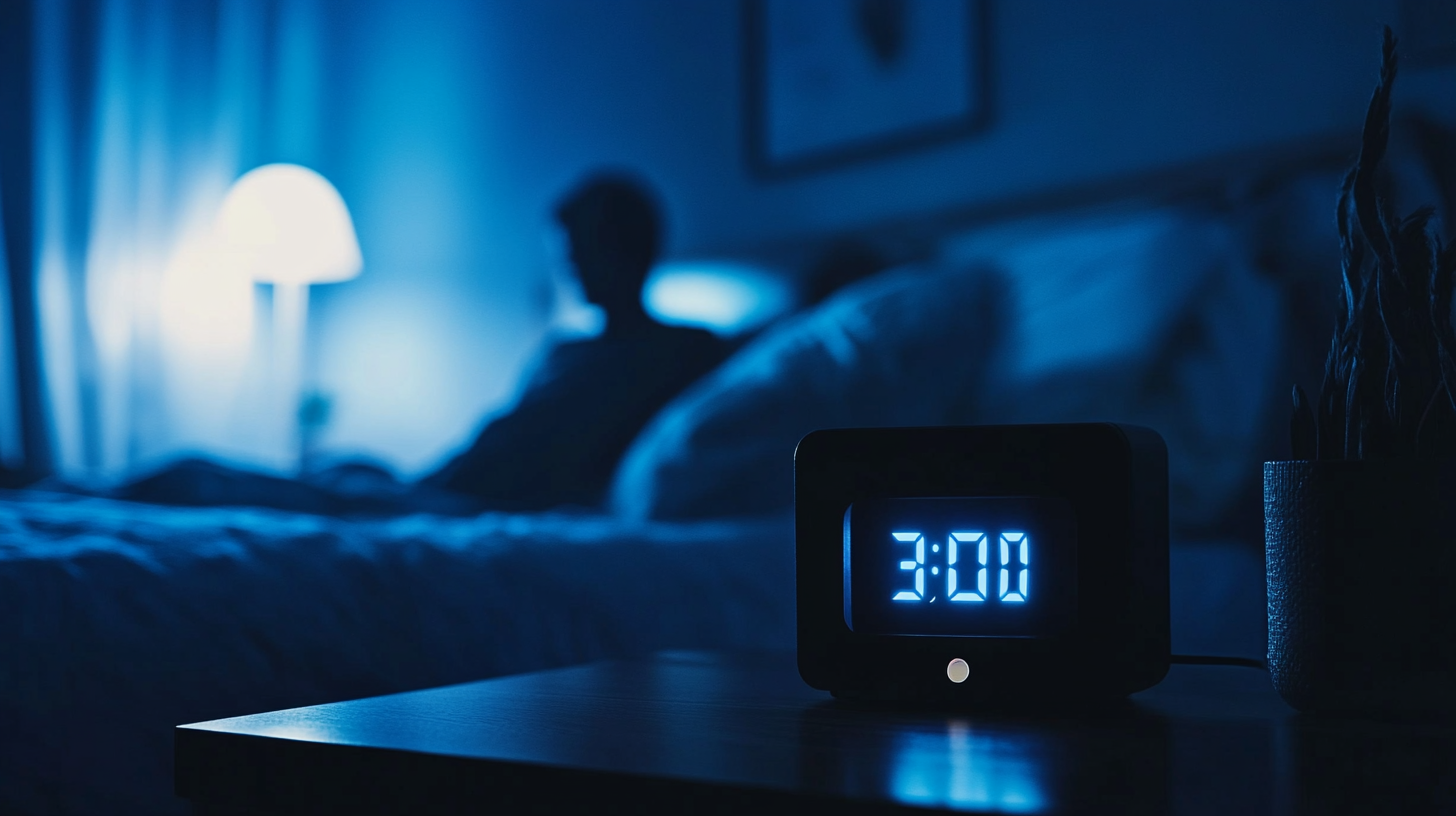
Waking up at 3 AM is one of the most common sleep complaints, and if it keeps happening to you, I want you to know you’re not imagining things. There’s actually a reason this specific time is so common.
The good news? Once you understand what’s causing it, middle of the night waking is usually fixable. In this guide, we’ll look at the most common reasons you’re waking up at 3 AM and what you can actually do about it.
Want to work with your body’s natural sleep cycles instead of against them? Try our free Sleep Calculator to find your optimal bedtime.
Why 3 AM Specifically?
There’s nothing magical about 3 AM, but there is a reason it’s such a common time to wake up.
If you go to bed around 10 or 11 PM, by 3 AM you’ve completed about three to four sleep cycles. At this point in the night, you’re spending more time in lighter sleep stages and REM sleep, and less time in deep sleep. This makes you more vulnerable to waking up [1].
Your body temperature also reaches its lowest point around 3 to 4 AM, and cortisol (your stress hormone) starts to rise in preparation for morning. These natural shifts can be just enough to pull you out of sleep, especially if something else is off.
The Most Common Causes of Middle of the Night Waking
Understanding why you’re waking up is the first step to fixing it. Here are the most likely culprits:
1. Stress and Anxiety
This is the big one. When you’re stressed, your body produces more cortisol. While cortisol naturally rises in the early morning hours, chronic stress can cause it to spike earlier, waking you up and making it hard to fall back asleep [2].
You might not even feel anxious when you wake up. But if your mind immediately starts racing through tomorrow’s to-do list or replaying yesterday’s problems, stress is likely playing a role.
2. Blood Sugar Drops
If you haven’t eaten in many hours, your blood sugar can drop during the night. When it drops too low, your body releases adrenaline and cortisol to bring it back up, and that hormonal surge can wake you.
This is more likely if you ate dinner early, skipped dinner, or had a meal high in sugar or refined carbs that caused your blood sugar to spike and then crash.
3. Alcohol
Alcohol might help you fall asleep faster, but it disrupts the second half of your night. As your body metabolizes the alcohol (usually 3 to 4 hours after your last drink), it causes a rebound effect that fragments your sleep [1].
Even one or two drinks in the evening can lead to waking up in the middle of the night.
4. Sleep Apnea
Sleep apnea causes you to stop breathing briefly throughout the night. These pauses can pull you out of deep sleep, often without you realizing it. You might just wake up feeling like something’s wrong, without knowing why.
If you snore, wake up with a dry mouth, or feel exhausted even after a full night’s sleep, sleep apnea could be worth investigating with a healthcare provider [2].
5. Room Environment
Sometimes the cause is simpler than you think. Your room might get too hot or too cold in the early morning hours. Outside noise (garbage trucks, early birds, traffic) might be louder than you realize. Light creeping in from streetlights or an early sunrise can signal your brain to wake up.
6. Needing to Use the Bathroom
This one’s obvious, but worth mentioning. Drinking too many fluids close to bedtime, or beverages that are diuretic (like alcohol or caffeine), can wake you up with a full bladder.
For some people, especially as they get older, nighttime urination (nocturia) becomes more frequent. If this is a new or worsening issue, it’s worth mentioning to your doctor.
7. Hormonal Changes
Hormonal shifts during menstruation, perimenopause, menopause, or even due to thyroid issues can significantly disrupt sleep. Hot flashes, night sweats, and fluctuating hormone levels are common culprits for middle of the night waking.
What You Can Do About It
Once you have a sense of what might be causing your wake-ups, you can start addressing it. Here are practical solutions that actually work:
Stabilize your blood sugar before bed. A small snack with protein and complex carbs, like a handful of nuts, cheese and crackers, or a small bowl of oatmeal, can help keep your blood sugar stable through the night.
Cut off alcohol earlier. If you drink, try stopping at least 3 to 4 hours before bed. This gives your body time to metabolize the alcohol before you hit the lighter sleep stages.
Manage stress before it manages you. A simple wind-down routine (journaling, light stretching, deep breathing) can help lower cortisol before bed. If your mind races when you wake up, keep a notepad by your bed to dump your thoughts so they’re not spinning in your head [3].
Optimize your sleep environment. Keep your room cool (65 to 68°F is ideal for most people). Use blackout curtains or an eye mask. Consider a white noise machine if early morning sounds are waking you.
Limit fluids before bed. Stop drinking large amounts of water or other beverages about 2 hours before bed. Use the bathroom right before you get into bed.
Time your sleep cycles. If you’re going to wake up briefly between cycles anyway, you can work with your body’s natural rhythm instead of against it. Our sleep calculator can help you find the best bedtime so you’re more likely to wake up at the end of a cycle, or sleep through to morning.
What to Do When You Wake Up at 3 AM
Even with the best habits, you might still wake up sometimes. Here’s how to handle it:
Don’t look at the clock. Checking the time just increases anxiety about how much sleep you’re losing.
Stay in bed for 15 to 20 minutes. Keep your eyes closed, breathe slowly, and give yourself a chance to drift back off.
If you can’t fall back asleep, get up. Go to another room, keep the lights dim, and do something quiet and boring: read a dull book, fold laundry. Avoid screens. Return to bed when you feel drowsy [3].
Don’t catastrophize. One rough night isn’t a crisis. The more you worry about not sleeping, the harder it becomes to sleep.
When to Talk to a Doctor
If you’ve tried these strategies and you’re still waking up consistently at 3 AM, it might be time to see a healthcare provider. This is especially true if:
• You snore heavily or gasp during sleep (possible sleep apnea)
• You feel exhausted during the day despite spending enough time in bed
• You’re experiencing symptoms of depression or anxiety
• You’re waking up more than once a night to urinate
• The problem has persisted for more than a few weeks
A sleep specialist can help identify underlying issues that might not be obvious.
Frequently Asked Questions
Why do I wake up at 3 AM every night?
Waking up at 3 AM is common because you’ve completed several sleep cycles by then and are in lighter sleep stages. Stress, blood sugar drops, alcohol, and environmental factors like temperature or noise are the most common triggers.
Is waking up at 3 AM a sign of a health problem?
Not necessarily. Occasional middle of the night waking is normal. However, if it happens consistently and you also snore, feel exhausted during the day, or have other symptoms, it’s worth discussing with a healthcare provider to rule out issues like sleep apnea.
How can I stop waking up in the middle of the night?
Start by identifying the most likely cause: stress, blood sugar, alcohol, or your sleep environment. Then address that specific issue. Stabilizing blood sugar with a light bedtime snack, cutting off alcohol earlier, and keeping your room cool and dark can all help.
Should I stay in bed if I wake up at 3 AM?
Stay in bed for 15 to 20 minutes and try to relax. If you can’t fall back asleep after that, get up and do something quiet and boring in dim light until you feel drowsy, then return to bed.
Does what I eat affect my sleep?
Yes. Eating a large meal close to bedtime can disrupt sleep, but so can going to bed hungry. A light snack with protein and complex carbs about an hour before bed can help keep blood sugar stable through the night.
The Bottom Line
Waking up at 3 AM is frustrating, but it’s usually fixable. Start by identifying the most likely cause (stress, blood sugar, alcohol, environment) and address that first. Small changes can make a big difference.
And remember: your body has natural wake points throughout the night. Working with your sleep cycles, rather than fighting them, can help you either sleep through or get back to sleep faster.
Ready to find your optimal sleep times? Use our Sleep Calculator to find the best bedtime based on when you need to wake up.
Sweet dreams. You deserve a full night’s rest. 💙
References
[1] Sleep Foundation. Why Do I Wake Up at 3 AM? https://www.sleepfoundation.org/sleep-faqs/why-do-i-wake-up-at-3am
[2] Cleveland Clinic. Why You Keep Waking Up at 3 a.m. https://health.clevelandclinic.org/why-do-you-always-wake-up-at-3-a-m
[3] Johns Hopkins Medicine. Up in the Middle of the Night? How to Get Back to Sleep. https://www.hopkinsmedicine.org/health/wellness-and-prevention/up-in-the-middle-of-the-night-how-to-get-back-to-sleep
Leave a Reply